Two Weeks, Two Broadcasters, Two Scandals — German Public Broadcasting in Free Fall#
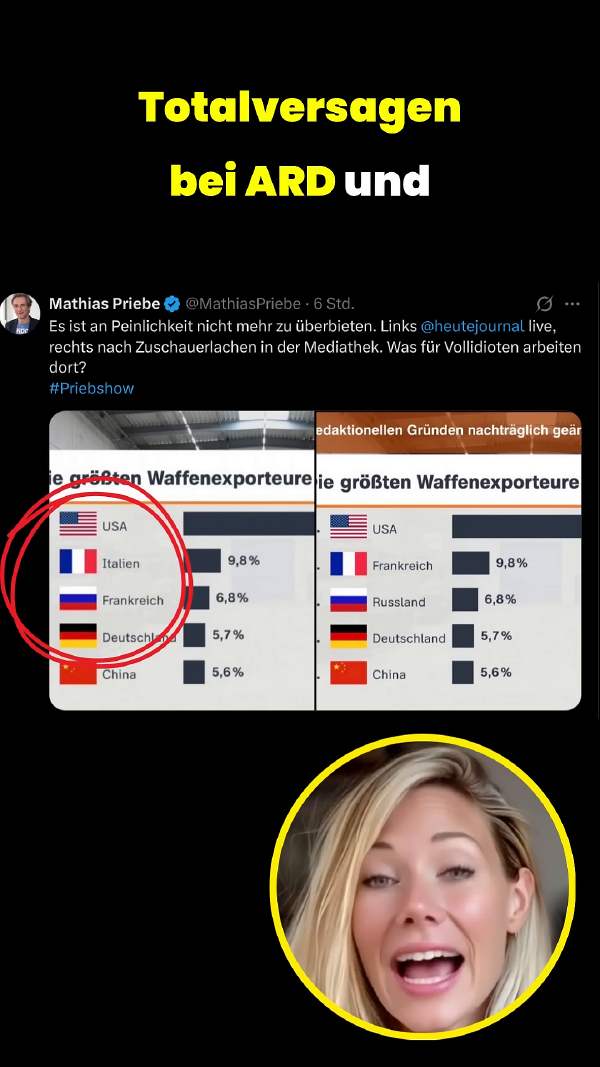
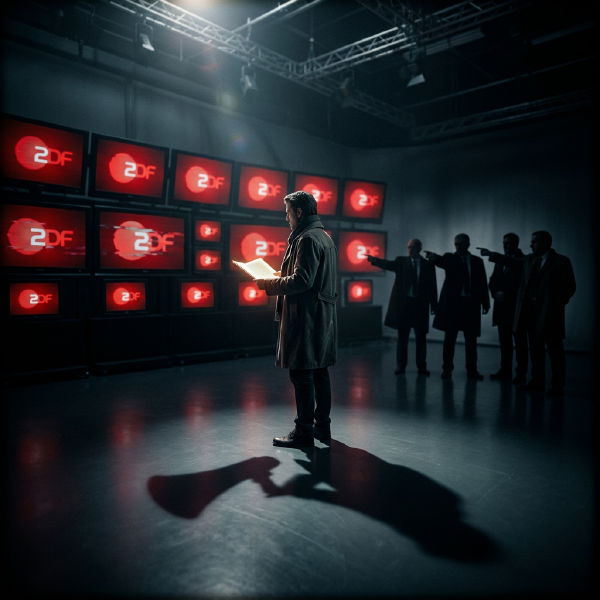
The dust had barely settled on the ZDF debacle — an AI-generated fake video in the flagship news programme “heute journal”, complete with a whistleblower hunt — when the ARD followed suit. Not with a technical error, but with a misrepresentation recycled for 15 years.
What the BR (ARD) Published on 11 March 2026#
On the 15th anniversary of the earthquake in Japan, BR24 ran a story with the headline:
“Anniversary: Japan Remembers Fukushima Nuclear Disaster 15 Years Ago”
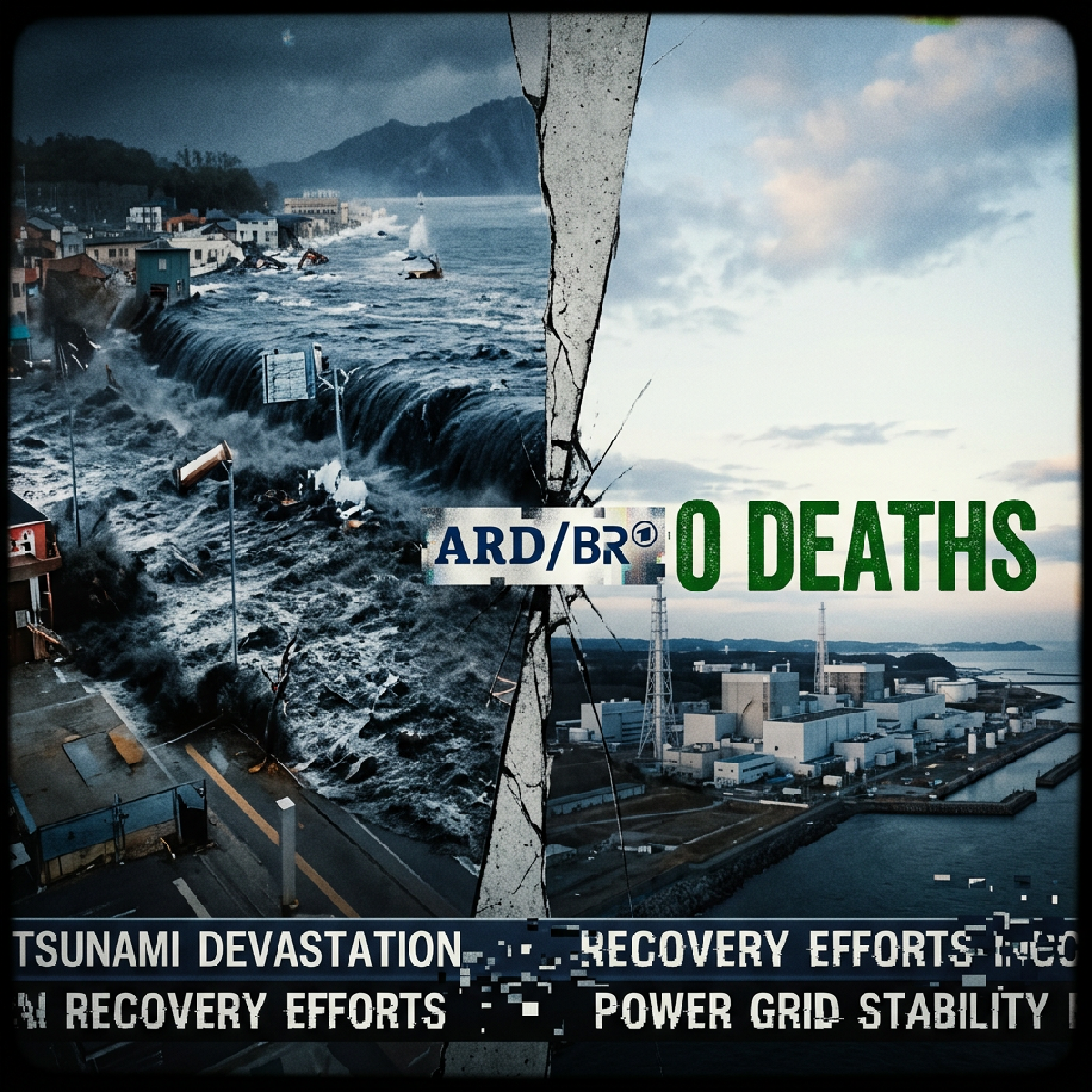
First sentence: “Japan commemorates the victims of the Fukushima nuclear disaster: Across the country, people laid flowers and wreaths for the approximately 20,000 dead.”
Anyone who reads only the headline and the first sentence — which is the vast majority — takes away: 20,000 people died because of the nuclear disaster.
The Facts#
- The 20,000 dead were killed by the tsunami — triggered by a magnitude 9.0 earthquake
- From direct radiation due to the meltdown at Fukushima: zero confirmed deaths
- Approximately 2,000 “disaster-related deaths” — people who died from the consequences of the evacuation: stress, exhaustion, lack of medical care, suicide
- Nuclear energy experts Amardeo Sarma and Anna Vero Wendland confirm in WELT: “There were no confirmed radiation-related deaths”
The BR therefore suggests: nuclear power = 20,000 dead. The reality: tsunami = 20,000 dead. Nuclear power = 0 direct radiation deaths.
Why This Is Not “Just” a Mistake#
This misrepresentation is not sloppiness. It has been repeated for 15 years — and it had massive political consequences:
- 2011: Fukushima hysteria led to Germany’s hasty nuclear phase-out under Merkel
- Germany lost a low-carbon, baseload-capable energy source
- Energy prices rose, dependence on Russian gas grew
- 2026: Even EU Commission President von der Leyen calls the nuclear phase-out a “strategic mistake”
The ARD supported this policy failure with its reporting for years — and apparently still does.
The Pattern: ZDF and ARD Compared#
| ZDF (February 2026) | ARD/BR (March 2026) | |
|---|---|---|
| What | AI fake video in heute journal | Fukushima misrepresentation |
| Topic | US immigration agency ICE | Nuclear disaster Japan |
| Type | Fabricated footage | Misleading framing |
| Consequence | Correspondent recalled | So far: none |
| Internal reaction | Whistleblower hunted | Still unknown |
Two different broadcasters. Two different topics. The same problem: disinformation from public broadcasting — funded by mandatory fees.
The Rosenbusch Comment#
Journalist Henning Rosenbusch sums it up in one sentence:
“No EU sanctions against the ARD or the staff involved have been announced so far.”
The irony is sharp. RT (Russia Today) was banned in the EU — for disinformation. The ARD demonstrably spreads false information about one of the most consequential political decisions in post-war German history — and continues to collect 18.36 euros per month from every household for it.
Conclusion#
There are two possibilities:
1. Incompetence — After 15 years, the BR editorial team still doesn’t know what caused the 20,000 deaths in Japan. Then it is not worth its mandate.
2. Intent — The editors know exactly, but deliberately frame it misleadingly to serve a particular narrative. Then it is a propaganda outlet.
Both are disqualifying. Both are funded by mandatory fees. And both happen within two weeks of the ZDF AI scandal — as if nothing whatsoever had been learned from the sister broadcaster’s debacle.
German public broadcasting no longer has a credibility problem. It has a credibility vacuum.
Sources#
- BILD: ARD broadcaster spreads nuclear lie about Fukushima (11.03.2026)
- WELT: 15 years Fukushima — Renouncing nuclear energy is not choosing safety (March 2026)
- WELT: ZDF staff accuse unknown colleague of betrayal (08.03.2026)
- Henning Rosenbusch, Telegram: t.me/rosenbusch (11.03.2026)
The statements in this article are based on publicly available sources and represent a critical assessment.