The ruling of the General Court of the European Union (EuG) of May 14, 2025 (case number T-36/23) marks a decisive blow against the EU Commission in the so-called “Pfizergate”. The case concerns the Commission’s refusal to disclose text messages (SMS) between EU Commission President Ursula von der Leyen and Pfizer CEO Albert Bourla. The plaintiff, the New York Times (represented by journalist Matina Stevis-Gridneff), was vindicated: The Commission must re-examine the request and release the messages – if they exist. The ruling underscores the transparency obligation of EU institutions and sharply criticizes the Commission for inadequate documentation of digital communication.
This ruling is not final; the Commission can file an appeal with the European Court of Justice (ECJ) within two months. So far, it has announced that it will examine the ruling and issue a new decision with “more detailed reasoning”. It intensifies the debate about accountability in the EU, particularly in the context of billion-euro pandemic deals.
Background of the Proceedings#
During the COVID-19 pandemic in 2021, von der Leyen negotiated personally with Bourla on one of the largest vaccine deals in history: The EU secured up to 1.8 billion doses of the BioNTech/Pfizer vaccine for an estimated volume of €35 billion. The deal included a price increase per dose from €15.50 to €19.50 and was praised as “personal diplomacy”, but raised questions about transparency and possible conflicts of interest.
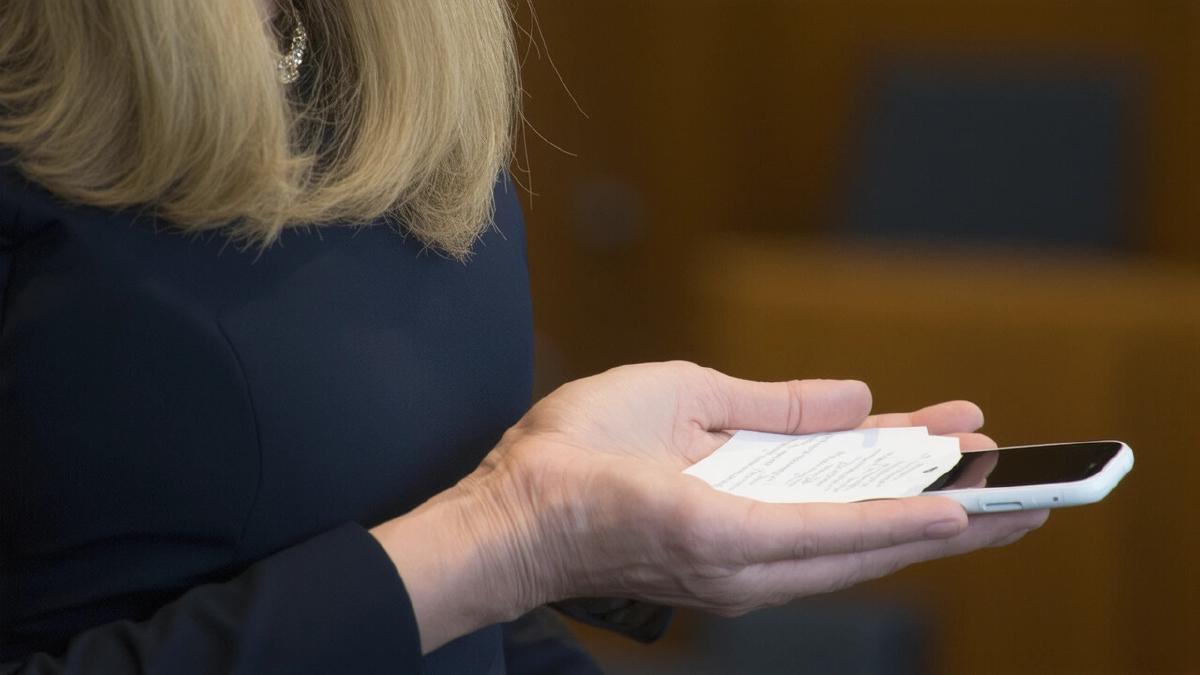
- Trigger: A New York Times report from April 2021 revealed that von der Leyen and Bourla communicated via SMS and calls – crucial for the conclusion.
- Request: In May 2022, Stevis-Gridneff requested under EU Regulation No. 1049/2001 (Public Access to Documents) all SMS between January 1, 2021 and May 11, 2022.
- Commission’s Refusal: The EU authority denied access and claimed to possess no such documents. SMS were “short-lived” and had not been archived; a search had yielded nothing.
The New York Times then sued before the EuG in Luxembourg, which treated the case as an annulment action.
Core of the Ruling: What Did the EuG Say?#
The EuG declared the Commission’s rejection null and void and obligated it to conduct a renewed, thorough examination of the request. The judges argued:
- Existence of SMS plausible: The plaintiff presented “relevant and consistent evidence” (e.g., media reports, official statements) indicating repeated exchanges. The Commission had not refuted this.
- Insufficient justification: The Commission did not precisely describe how it had searched for the messages – neither where (e.g., on which device) nor why they were missing (e.g., deletion, device change). The justification was based on “hypotheses” and “imprecise information”.
- Transparency obligation: Digital communication like SMS falls under the document access right when it contains “relevant content” about official business. It may not be dismissed wholesale as “ephemeral” – instead it must be archived, e.g., in emails or other systems. This is a precedent case for future cases of digital correspondence in the EU.
- Political relevance: Given the billion-euro deal and public interest (e.g., price increases, unused doses), careful documentation was essential.
The ruling emphasizes: Transparency is a cornerstone of democratic institutions – the Commission had committed “maladministration” here.
Timeline of Relevant Events#
| Date | Event | Details |
|---|---|---|
| April 2021 | NYT Report | Revelation of SMS negotiations. |
| May 2022 | NYT Request | Demand for SMS (Jan. 2021 – May 2022). |
| 2022–2023 | Ombudswoman & Lawsuit | EU Ombudswoman criticizes; NYT sues before EuG. |
| May 14, 2025 | EuG Ruling (T-36/23) | Rejection null and void; re-examination ordered. |
| July 2025 | Vote of No Confidence | Fails, but scandal fuels criticism. |
| Current (Nov. 2025) | Open | Commission examines appeal; SMS contents unknown. |
Reactions and Consequences#
EU Commission#
“We are examining the ruling and will issue a new decision.” No confirmation whether SMS still exist – spokesperson evaded questions.
Critics#
- Green MEP Daniel Freund: “The hide-and-seek must end – official messages must be archived.”
- Transparency International: “Restoration of accountability.”
Political Impact#
The ruling weakens von der Leyen’s second term (since Dec. 2024) and fuels debates about centralization of power (e.g., on the 13th floor of the Berlaymont). It could lead to further lawsuits, e.g., from the EPPO (European Public Prosecutor’s Office), which is investigating in parallel.
Legal Significance#
Precedent for digital transparency – WhatsApp, SMS etc. must be treated as documents in the future.
Conclusion#
The EuG ruling 2025 is a milestone for EU transparency, forcing the Commission to explain its “vanished SMS”. It shows: Personal negotiations over billion-euro deals may not remain in the dark. Whether the messages will ever come to light depends on a possible appeal – until then, the scandal remains a symbol of lack of trust in Brussels. For updates: Follow sources like Politico or netzpolitik.org.
Status: November 10, 2025
Sources#
- CURIA Case Law — Case T-36/23 — General Court of the European Union, ruling of 14 May 2025
- Regulation (EC) No 1049/2001 on public access to documents — EUR-Lex
- European Ombudsman — Investigations into the EU Commission — prior complaint 2021/2022
- New York Times (Stevis-Gridneff): original report on SMS negotiations between von der Leyen / Bourla, April 2021 — nytimes.com