When Elementary School Knowledge Becomes a Challenge#
You would think that newsrooms funded with over 8.6 billion euros annually would at least know what European flags look like. You would think wrong.
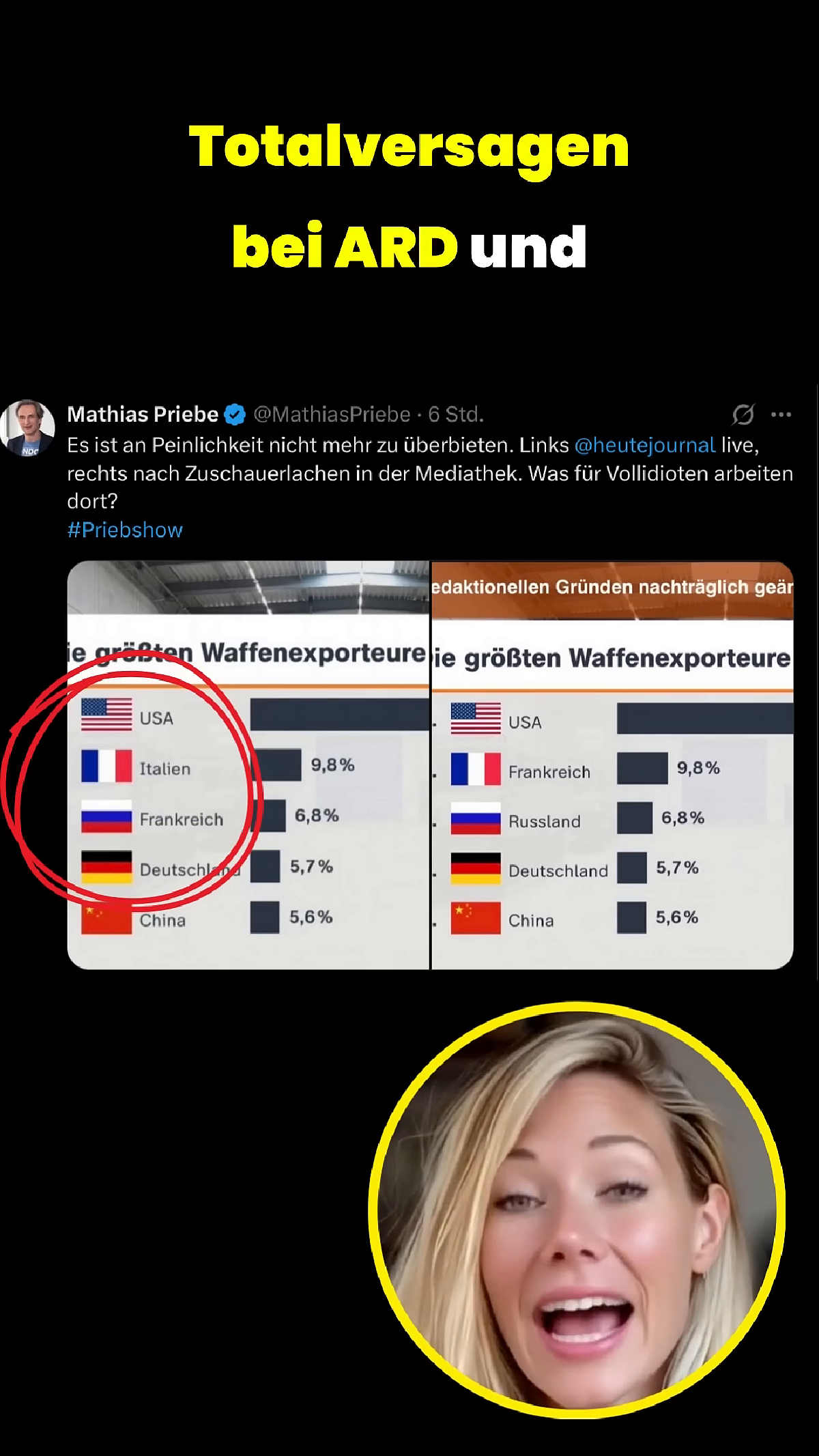
Within just a few hours, Germany’s public broadcasters ARD and ZDF managed to collapse — not on complex investigative topics, but on absolute basics: country flags and election graphics.
What Happened#
The well-compensated editorial teams of Germany’s public broadcasting system managed to:
- Display Italy’s flag incorrectly — a country that has carried the same tricolor since 1797
- Confuse France’s flag — Bleu-Blanc-Rouge, unchanged since 1794. But sure, they’re only Germany’s most important European neighbors
- Produce multiple faulty election graphics — not one, not two, but several in rapid succession
These aren’t obscure mistakes on niche topics. This is the equivalent of a geography teacher not knowing where Germany is on a map.
The Pattern#
If you think this was a one-off, you haven’t been paying attention:
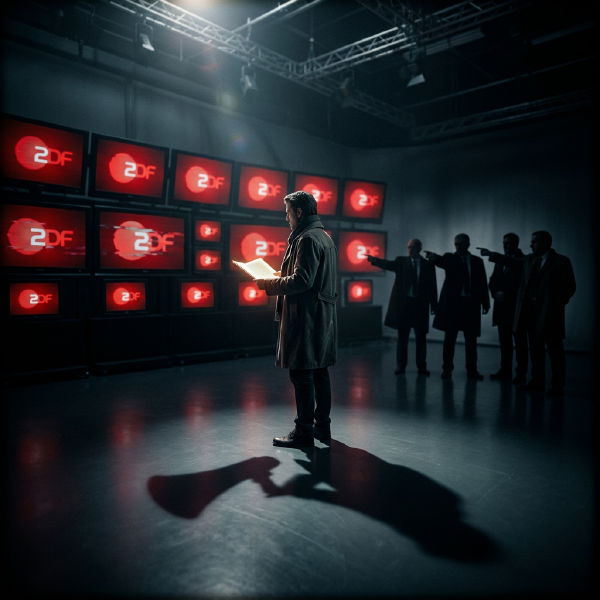
- ZDF heute journal: Aired an AI-generated fake video, then hunted the whistleblower instead of practicing accountability
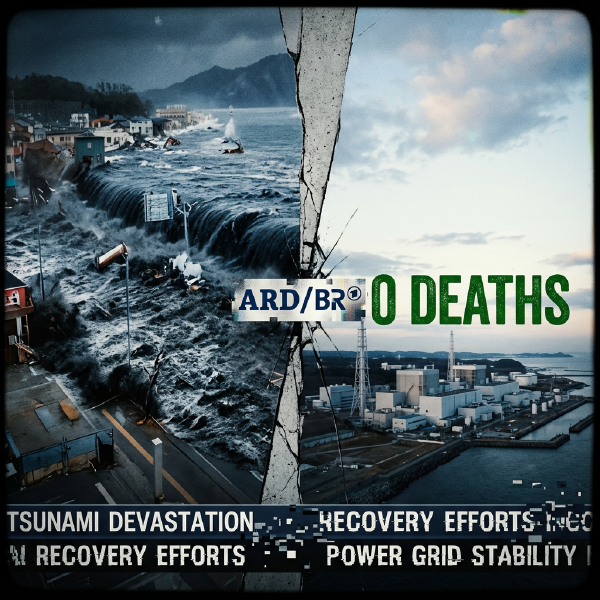
- ARD/BR24 on Fukushima: Presented 20,000 tsunami victims as nuclear power casualties — a misrepresentation recycled for 15 years
- And now: They can’t even get flags and bar charts right
ZDF apologized. But as the viral video covering these failures aptly put it: We don’t need another apology. We need a fundamental debate about this system.
8.6 Billion Euros — For What?#
Let’s do the math:
- ARD: ~6.9 billion euros annual budget
- ZDF: ~1.7 billion euros annual budget
- Total system incl. Deutschlandradio: over 8.6 billion euros
- Top executive salaries: Up to 413,000 euros annually (ARD chair)
For this money, the mandatory fee-payer gets: wrong flags, wrong graphics, wrong narratives — and when someone points it out, it’s not the error that gets corrected, but the critic who gets treated as the problem.
A mid-sized YouTube team with a fraction of the budget wouldn’t make these mistakes. Not because they’re smarter — but because they can’t afford to. Unlike Germany’s public broadcasters, whose funding is guaranteed by law regardless of performance.
The Real Problem: Zero Consequences#
In the private sector, this level of quality leads to terminations, reputation damage, and revenue collapse. At Germany’s public broadcasters — nothing happens. The mandatory fee keeps flowing. The structures remain. The people responsible remain.
This isn’t a quality problem. It’s a structural problem. A system without natural feedback loops — without the possibility that customers leave — has no incentive to improve.
What Citizens Can Do#
The video highlights two concrete resources for German citizens:
- beitragstopper.de — Information and legal pathways regarding the mandatory broadcasting fee
- rundfunkalarm.de — Platform for structured formal complaints against programming
Formal complaints aren’t a fringe activity. They are the only formal instrument available to fee-payers. Every complaint must be processed. The more that arrive, the harder they become to ignore.
Conclusion: The Emperor Has No Clothes#
This is no longer about individual mistakes. It’s about a system that has squandered its legitimacy — not through malice, but through a structure that rewards mediocrity and doesn’t require excellence.
When an 8.6-billion-euro organization doesn’t know what the Italian flag looks like, that’s not an oversight. That’s a symptom. And the symptom’s name is: This system no longer works.
The facts and figures cited in this article are publicly available. The opinions are those of the author. We encourage every reader to form their own judgment — and then file a formal complaint.