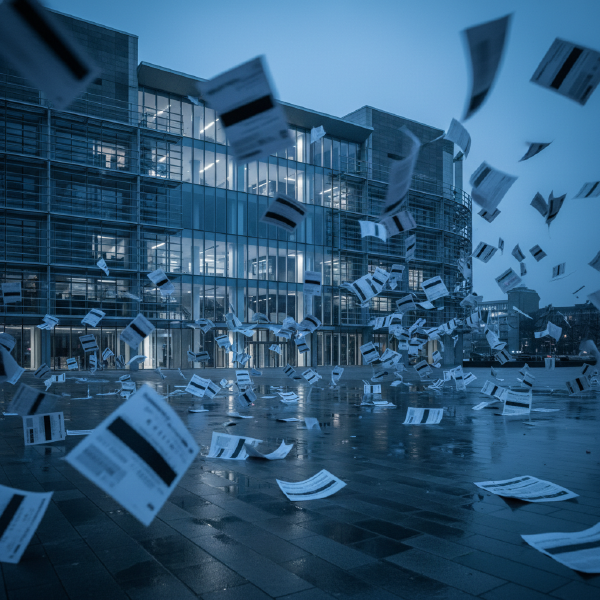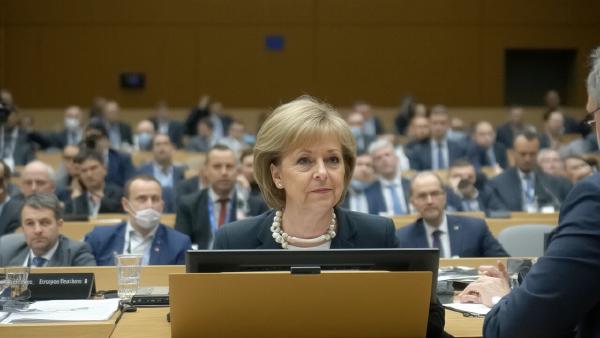
In the sacred halls of the Berlaymont building in Brussels, more precisely on the 13th floor, resides a woman who feels far removed from the everyday concerns of EU citizens. Ursula von der Leyen, President of the European Commission, has created a small empire there, accessible only to a select few. But what lies behind the locked doors and strictly controlled access?
A Realm of Her Own#
The 13th floor of the Berlaymont building is more than just a workplace. It is the place where power is concentrated, where decisions are made that affect the lives of millions of people. But who has access to this holy grail? Only the closest confidants and a few selected officials are allowed to enter the sacred halls. The rest of the world must content itself with speculation and rumors.
The Princess and Her Chief of Cabinet#
Ursula von der Leyen and her Chief of Cabinet Björn Seibert form an inseparable duo that has strongly concentrated power in the EU executive apparatus. They work closely together and trust only a few people. During the COVID-19 pandemic, von der Leyen worked with a small team in the Berlaymont, which reinforced her tendency toward unilateral decision-making. She has a windowless, converted bathroom on the 13th floor that she uses as living quarters. A truly royal residence!
Transparency? Not Here!#
In a time when transparency and participation are big words, the 13th floor of the Berlaymont building seems to be a place of secrets and isolated decision-making. While EU citizens call for more participation and insight into political processes, the President of the European Commission seems to reside in her ivory tower, looking down on the world from above.
Security Measures and Political Tensions#
Security measures in the Berlaymont have been strengthened, indicating that access to the 13th floor is strictly controlled. This could also be related to current political tensions and security concerns. But what really lies behind the locked doors? Is it just security concerns, or is it a strategy of isolation and power concentration?
Conclusion#
Ursula von der Leyen and the 13th floor of the Berlaymont building have become symbols of power concentration and isolated decision-making in the European Union. While citizens call for more transparency and participation, the President of the European Commission seems to reside in her ivory tower, looking down on the world from above. It remains to be seen how this dynamic will develop in the future and whether it will be possible to bring the EU closer to its citizens again.
Video#
This post is intended to be satirical and ironic. The information presented is based on public reports and speculation.
Sources#
- European Commission — Berlaymont & President — official structural information
- Politico Europe — reports on the “13th floor”, Cabinet Seibert and decision structures
- Der Spiegel — background reports on the Berlaymont setup during COVID-19
- European Ombudsman — complaints regarding EU Commission transparency
- Transparency International EU — analyses of power concentration within the Commission