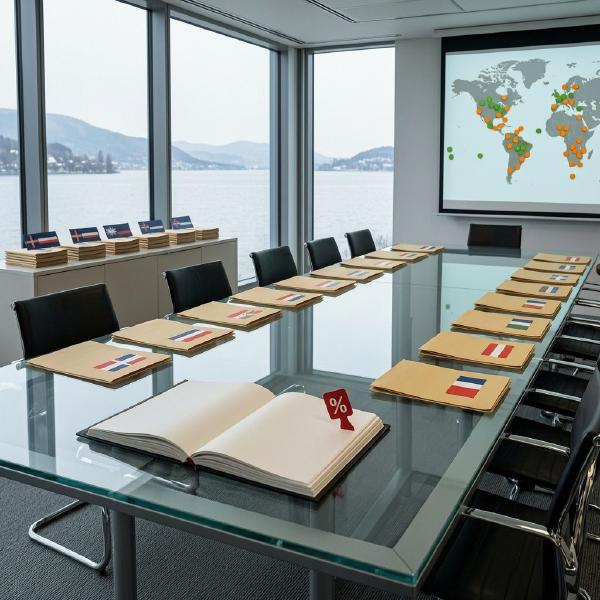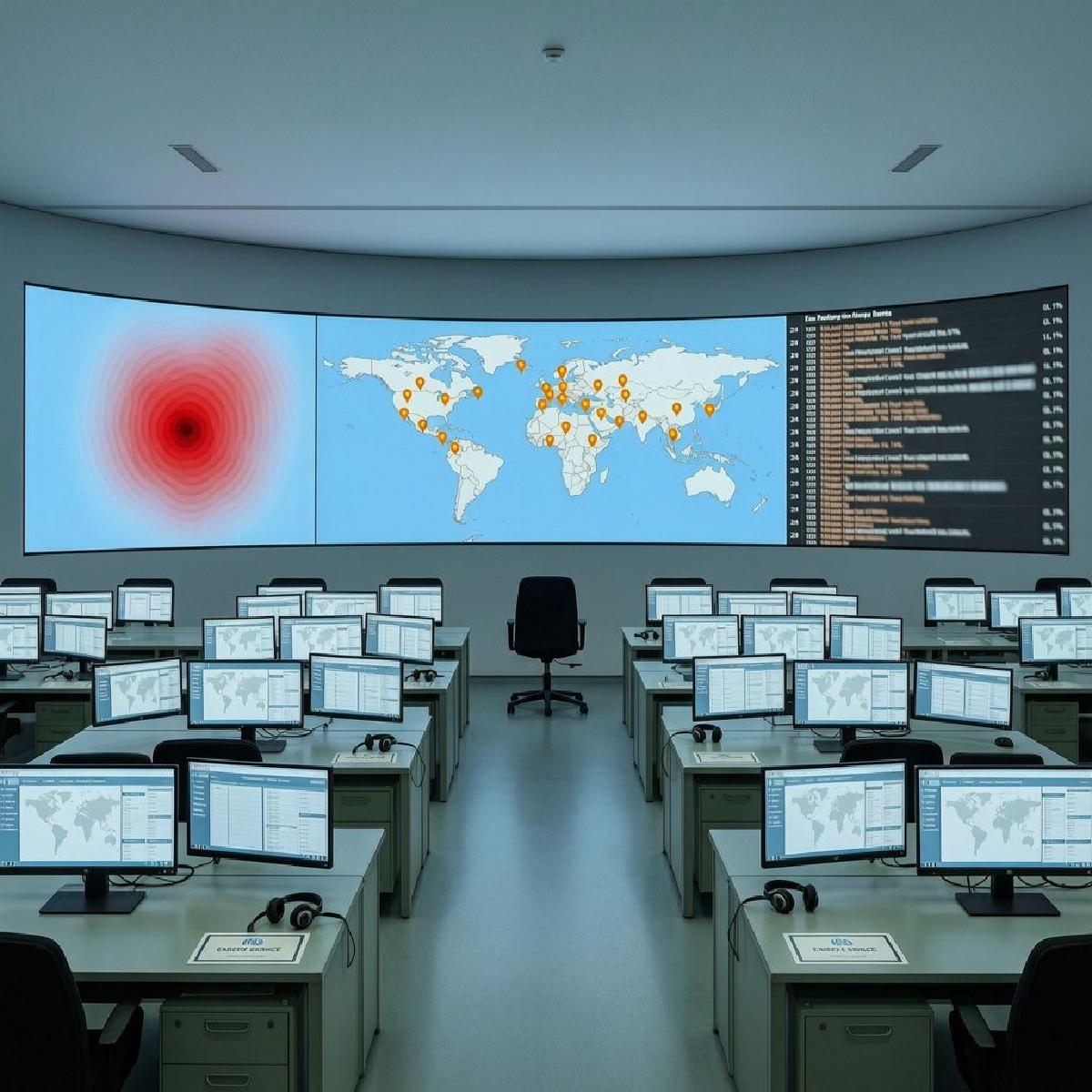
On 22–23 April 2026, the WHO conducted Exercise Polaris II: a two-day pandemic simulation involving 26 countries, 600 health experts, and more than 25 partner organisations. The scenario: a fictional new bacterial strain spreading across 27 countries. Ten days later, the WHO confirmed the first hantavirus cluster aboard the MV Hondius.
That is not an argument for anything. It is a date.
1. What Took Place#
| Fact | Source |
|---|---|
| Dates: 22–23 April 2026 | WHO press release, 27.04.2026 |
| 26 countries and territories | WHO |
| ~600 health emergency experts | WHO |
| 25+ partner organisations | WHO |
| Scenario: fictional bacterial outbreak, 27 countries | WHO |
| Part of HorizonX — WHO’s multi-year simulation training programme | WHO |
| Predecessor: Polaris I, April 2025 (viral outbreak) | WHO/CIDRAP |
| Frameworks tested: GHEC (June 2025) + NHEARF (October 2025) | WHO |
| AI tools for workforce planning tested — vendors not named | WHO |
The 26 participating countries: Bangladesh, Brazil, Brunei, Colombia, Egypt, El Salvador, France, Georgia, Ghana, India, Indonesia, Jordan, Kenya, Kosovo, Libya, Malaysia, Nepal, Oman, Paraguay, Philippines, Qatar, Republic of Congo, Rwanda, Suriname, Thailand, Yemen.
Germany is not among them.
2. HorizonX: The Programme Behind It#
Exercise Polaris II is not a standalone event. It is part of HorizonX, a multi-phase WHO simulation training programme running at least since 2025:
- Polaris I (April 2025): Viral outbreak scenario. First test of the Global Health Emergency Corps (GHEC).
- Polaris II (April 2026): Bacterial outbreak scenario, 27 countries. First combined test of GHEC and the National Health Emergency Alert and Response Framework (NHEARF).
The GHEC was founded in 2023 — three years after COVID-19, two years before Polaris II. It is the operational structure designed to coordinate WHO member states in real time when an outbreak exceeds national capacity.
What gets activated in a real outbreak is what HorizonX rehearses. That is not speculation — it is the stated purpose of the exercise series.
3. The Partner Organisations#
Of the 25+ partner organisations, the following are named in official sources:
- Robert Koch Institute (Berlin)
- Africa Centres for Disease Control and Prevention
- International Federation of Red Cross and Red Crescent Societies
- Médecins Sans Frontières (MSF)
- UNICEF
- Global Outbreak Alert and Response Network (GOARN)
- Emergency Medical Teams initiative (EMT)
- Standby Partners
- International Association of National Public Health Institutes
- Health Emergency Leaders Network for Africa and the Eastern Mediterranean
- UK-Med
Germany: not a participant country — but the Robert Koch Institute present as a partner institution. France participated both as a country and through its own institutional network.
GOARN is worth pausing on. The Global Outbreak Alert and Response Network is the WHO’s operational network activated first in real outbreaks — Ebola, SARS, the hantavirus cluster aboard the MV Hondius. It is not an observer at Polaris II. It is a partner organisation.
What is rehearsed in the simulation is applied in the real response. The boundary between exercise and reaction is the same infrastructure.
4. What Is Not Named#
The WHO press release references “AI-enabled tools for workforce organisation and planning” as one of the areas tested. Which companies supplied those tools is not stated.
The complete list of 25+ partner organisations has not been published. Ten to eleven names are publicly available. Which additional institutions — private, governmental, academic — contributed to the exercise remains open.
5. The Timeline#
| Date | Event |
|---|---|
| April 2025 | Exercise Polaris I — fictional viral outbreak, first GHEC test |
| June 2025 | GHEC Framework published |
| October 2025 | National Health Emergency Alert and Response Framework (NHEARF) published |
| 22–23 April 2026 | Exercise Polaris II — fictional bacterial outbreak, 26 countries, 600 experts |
| 27 April 2026 | WHO publishes Polaris II press release |
| 4 May 2026 | WHO confirms hantavirus cluster aboard MV Hondius — three dead, person-to-person transmission suspected |
| 5 May 2026 | WHO confirms H2H officially; Cape Verde refuses docking |
The timeline is documented. What follows from it depends on what one considers coincidental.
6. Familiar Structures, New Format#
Exercise Polaris II is not an outlier. It is the most recent iteration of a long series:
| Exercise | Year | Theme |
|---|---|---|
| Dark Winter | 2001 | Smallpox bioterror, US decision-makers |
| Atlantic Storm | 2005 | Smallpox attack, former heads of government |
| SPARS | 2017 | Fictional pandemic communications, 2025–2028 |
| Clade X | 2018 | Influenza pandemic, members of Congress |
| Event 201 | October 2019 | Coronavirus pandemic, WEF/Gates/Johns Hopkins |
| Polaris I | April 2025 | Viral outbreak, GHEC test |
| Polaris II | April 2026 | Bacterial outbreak, GHEC+NHEARF test |
The difference between HorizonX and earlier exercises: HorizonX is explicitly focused on operational real-time coordination — not policy simulation. The question is not “what should governments do?” but “does the mechanism work when needed?”
The answer to that question is tested ten days after Polaris II, on a polar expedition ship somewhere between Saint Helena and Cape Verde.
Sources: WHO press release 27.04.2026 (Polaris II); WHO Western Pacific feature story 27.04.2026; news-medical.net 27.04.2026; CIDRAP Quick Takes 28.04.2026; WHO press releases MV Hondius 04.05.2026 + 05.05.2026.