Methodological note. This text describes a temporal correlation and places it within a pattern already documented multiple times on this blog: investigative publication + temporally aligned political or civil-society follow-up (see Fernandes-Ulmen campaign parallel to the deepfake law, Network behind the deepfake law, HateAid-Campact funding pipeline). Strict proof of deliberate orchestration in any single case is hard to obtain; the pattern that any single case fits into is not. Sources are fully linked at the end.
Part 1 laid out the legal state of play: Three Sentences, Two Courts, No Final Judgment. What that piece could not do: describe the structure behind the investigation — the person, the awards, the money flows. These are not in the operative part of the Berlin ruling, but they explain why the investigation had such outsized impact.
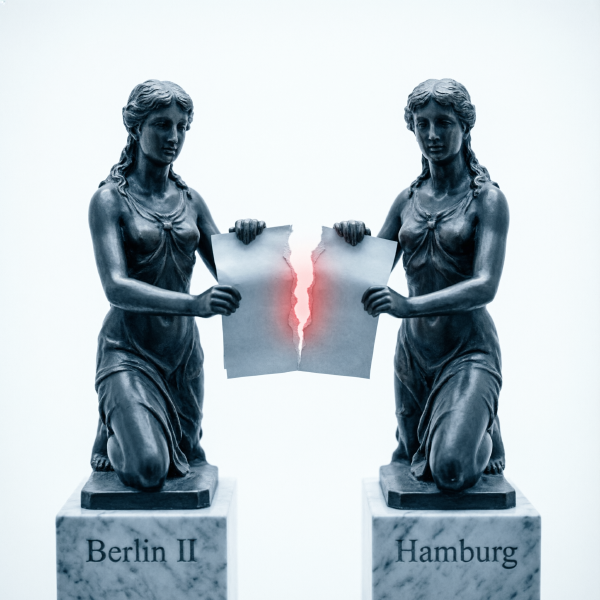
Two months after the Berlin II Regional Court’s ruling against Correctiv, two versions of the same story are circulating. In one, a “painstakingly constructed edifice of lies” is collapsing, prizes must be returned, the democracy rallies were propaganda. In the other, Correctiv has won “a victory for press freedom” and the investigation stands.
Nikola Brindley had been a dental nurse for over a decade. She knew vaccines. When she was asked to take AstraZeneca’s COVID jab in July 2021, she agreed without hesitation. Within hours, she was in A&E. Multiple organ systems began to fail. “I collapsed on the doorway and pretty much lost the ability to walk,” she recalls. Today, she uses a wheelchair.
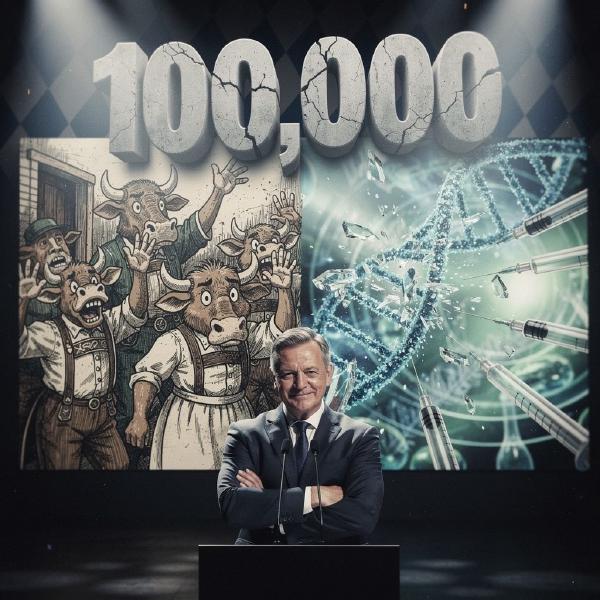
In a recent interview, Bavaria’s Minister-President Markus Söder offered his view on the Corona era. Two minutes that pack a punch — not for what he says, but for what he leaves out.
A journalist sues. A court decides. 2,500 pages confirm what three years of “conspiracy theory” suppressed: the RKI acted on political orders — not scientific evidence. # The Man Who Didn’t Give Up # Paul Schreyer is a journalist and co-editor of Multipolar Magazine. Not an activist, not a Telegram influencer — a journalist who used Germany’s Freedom of Information Act (IFG) for its intended purpose: making state action transparent.
The Allegations Are Real. The Campaign Too. And Homburg’s “Floozy” Comment Says More About Him Than About the Case. # On March 19, 2026, Der Spiegel published a cover story: “You Virtually Raped Me.” Collien Ulmen-Fernandes raises serious allegations against her ex-husband Christian Ulmen — deepfake pornography, identity abuse, psychological violence. On the same day, Ulmen’s lawyer Christian Schertz sends out a press-law information letter [1][2].
The Structure: Who Controls the Controller? # The broadcasting council is supposed to represent the public. That is the theory. The reality looks different.
Has anyone seen Georg Restle? Last spotted in Nairobi.
There is a German television legend you need to know to truly understand Georg Restle: Eduard Zimmermann. For thirty years, Zimmermann sat behind his desk at ZDF, furrowed his brow into the camera, and asked: “Have you seen this man?” He was judge, moral authority, and guardian of public order in one person — all on state television, all with a sense of mission, all without the slightest hint of self-doubt.
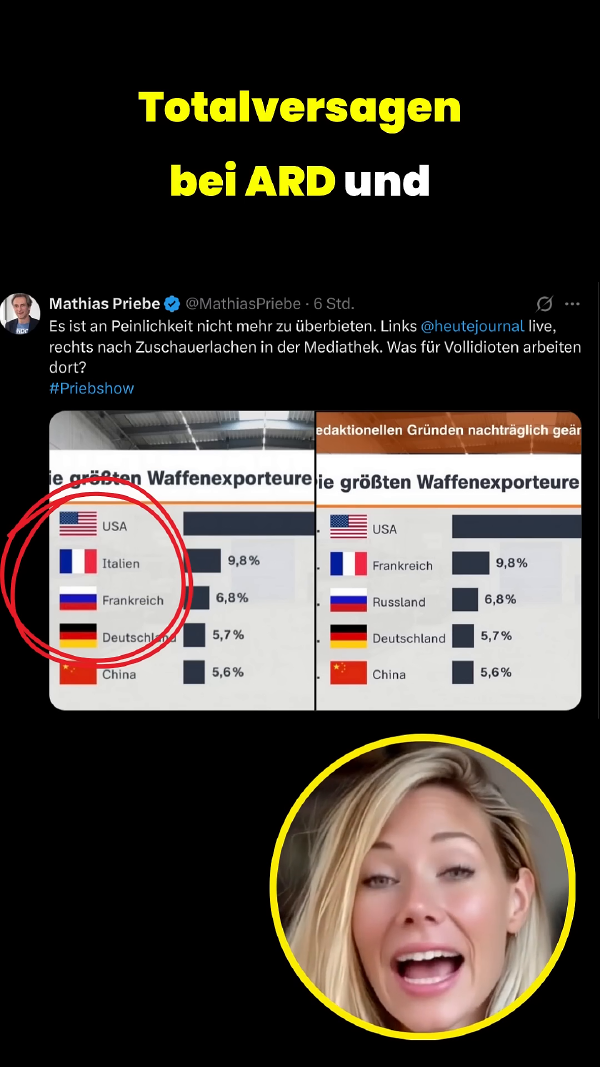
When Elementary School Knowledge Becomes a Challenge # You would think that newsrooms funded with over 8.6 billion euros annually would at least know what European flags look like. You would think wrong.
In the first part of this series, we showed what happened: an employee exposes internal misconduct, and instead of addressing the fake scandal, ZDF hunts down the messenger. Works council member Hubert Krech collected 600 likes with a tirade in which he labeled journalism as treason and called critical media war enemies.
Germany’s public broadcaster demands whistleblower protection – as long as it doesn’t affect their own network
There are moments when institutions expose themselves so thoroughly that all you can do as an observer is sit back in disbelief. Germany’s ZDF just delivered one such moment – a double one, at that.