From Great Headquarters at Berlin, in the seventh year of the war.
The situation on every front is highly satisfactory. We report with gratification:
I. Pandemic Front # The plague that broke out in 2020 has been put down by the full striking power of the federal health apparatus. The excess mortality recorded in recent years at reliably new record highs is, according to authoritative sources, a statistical phenomenon. A figure in the suspected-case spreadsheet of the Paul-Ehrlich-Institut stood yesterday at 2,060 and today at 637 — clear evidence that the situation is clarifying in our favour. The reckoning was discontinued with proper restraint at exactly the moment it was due to begin. We are therefore winning.
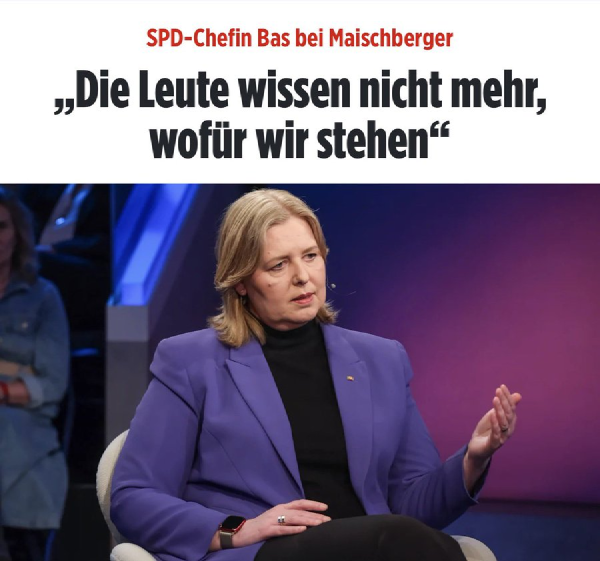
The leader of Germany’s Social Democratic Party, Bärbel Bas, on Sandra Maischberger’s talk show this week:
“People no longer know what we stand for.”
We’re happy to help, Ms. Bas. Here is the list.
There are moments on the internet where you sit in front of your screen, stare at what you’ve just watched, and genuinely ask yourself: Did someone actually make this? And then you realize: Yes. Yes, they did. And it’s the best thing you’ll see all week.
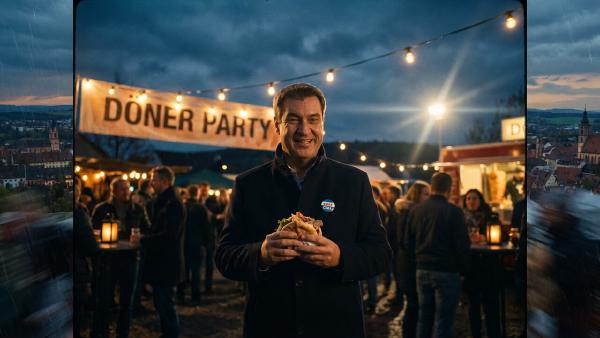
Markus Söder has registered a döner kebab trademark. Yes, really. Welcome to 2024, where Bavarian Minister-Presidents register their own fast-food brands.
Your browser cannot play this video. Download video.
In the sacred halls of the Berlaymont building in Brussels, more precisely on the 13th floor, resides a woman who feels far removed from the everyday concerns of EU citizens. Ursula von der Leyen, President of the European Commission, has created a small empire there, accessible only to a select few. But what lies behind the locked doors and strictly controlled access?
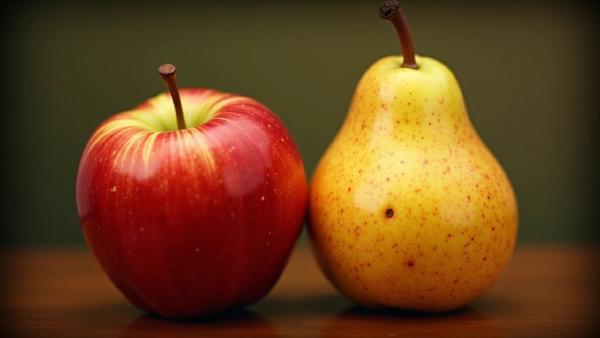
“It’s like comparing apples and pears — but what if you don’t know what either is? Welcome to GPT.”
The debate around artificial intelligence often ignores a critical fact: Large Language Models like GPT do not understand semantic concepts. They simulate understanding — but they don’t “know” what an apple or a pear is. This isn’t just academic; it has real-world implications, especially as we increasingly rely on such systems in decision-making.