A new case report in Medical Research Archives describes vaccine-derived spike mRNA in exosomes after 1,284 days, spike protein in plasma after 1,173 days, and plasmid-DNA elements in skin tissue after 1,364 days in a 55-year-old man after three Pfizer-BioNTech doses. It proves no frequency. But it refutes the absolute claim that these components are biologically relevant only for a short time.
In the meninges and skull bone of COVID survivors, spike protein remains detectable for up to four years after infection, independent of direct viral infection of the brain and likely sustained by viral reservoirs. Meta-analyses covering more than four million patients find memory problems in 27.8% of people with Long COVID, while PET scans still show elevated microglial activation two years after infection. All of this is unfolding without epidemiological surveillance, without a national monitoring program, and inside a public debate in which mainstream institutions avoid the persistence findings to protect the vaccination ledger while vaccine critics downplay the quantitative dominance of infection in order to keep the vaccine in the role of principal culprit.
The body odour changes. Not dramatically, not suddenly — but noticeably. Fermented, sweet, yeasty, sometimes like overripe fruit. Those who know this get a shrug from their doctor: hormone imbalance perhaps, or stress, or not drinking enough water. The biochemistry offers a more precise answer.
What If Everything Is Connected? A Source-Based Reconstruction of the Chain of Events 2018–2027 # Note: This article formulates a hypothesis. Every single source is verifiable. The connections drawn between the facts are interpretation. The reader should think for themselves — not be led.
The spike protein destroys stem cells, subverts immune defense, and accumulates — new research reveals the full extent.
There is a phrase that doctors tell millions of post-COVID and post-vaccination patients: “It will get better on its own.” That phrase is wrong. Current data shows: The spike protein — whether from the virus or the vaccine — does not cause a disease that heals by itself. It causes a progressive, self-reinforcing systemic disorder.
You got vaccinated. Or you had COVID. Maybe both. Since then, something’s off — fatigue, brain fog, heart palpitations, pain that wasn’t there before. Your doctor finds nothing. Google doesn’t help. The media tells you it’s in your head.
Since the beginning of the COVID-19 pandemic, we have witnessed an unprecedented global response that has had profound impacts on our society, our healthcare systems, and our daily lives. While many of us thought the worst storm had passed, more and more questions and concerns are emerging about the safety and long-term effects of COVID-19 vaccines. In this article, we take a detailed look at current revelations and studies that provide alarming insights into the potential risks and side effects of these vaccines.
The COVID-19 pandemic has shaped the world in various ways over the past few years, and one of the most controversial developments is the discussion surrounding the long-term effects of COVID-19 vaccines. In this blog post, we take a scientific look at the so-called “pandemic of the vaccinated” and examine what the latest scientific findings have to say about it.
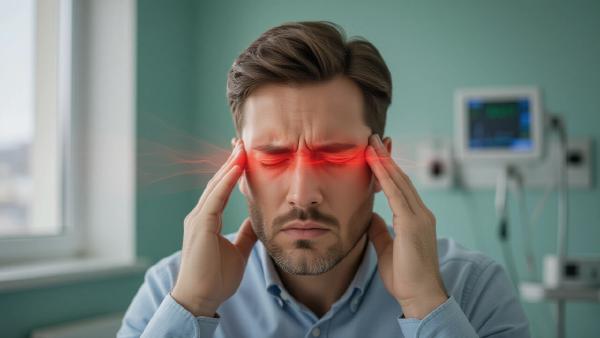
The Underestimated Side Effect # Headaches are a very common side effect of modRNA injections. In the case of BNT162B2, headaches are particularly prominent in PSUR 3. They initially appear to be a negligible side effect, since everyone experiences headaches occasionally and there are many causes for them. However, in some patients, these headaches persist permanently for months. A case that has resulted in legal action shows that the cause may not be as harmless as it seems.