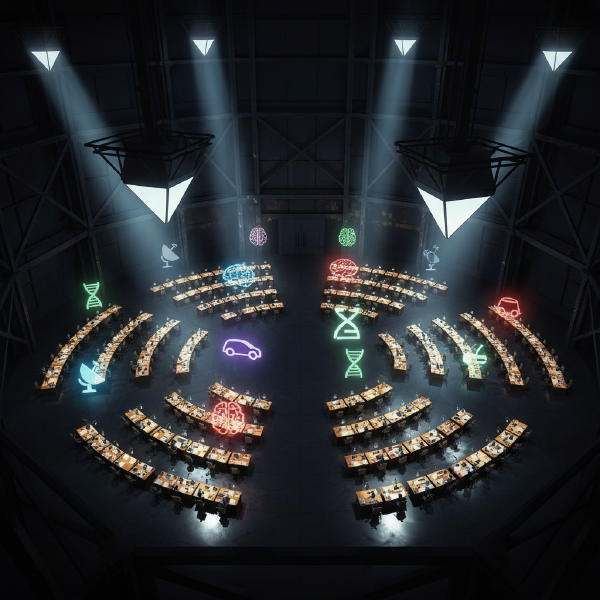
DARPA co-invented the internet, GPS precursors, voice assistants, and autonomous vehicles. That much is known. What is not known: that was never the mission. DARPA’s mission statement reads verbatim: national security. Civilian technology is a byproduct — and the business model has since expanded to energy, health, and intelligence.
A US federal judge found Google guilty as an illegal monopolist in August 2024. Google has now asked the appeals court to overturn that entirely — liability, remedies, everything. The DC Circuit is not just deciding Google’s fate. It is deciding whether the United States can still enforce antitrust law against tech platforms in 2026.
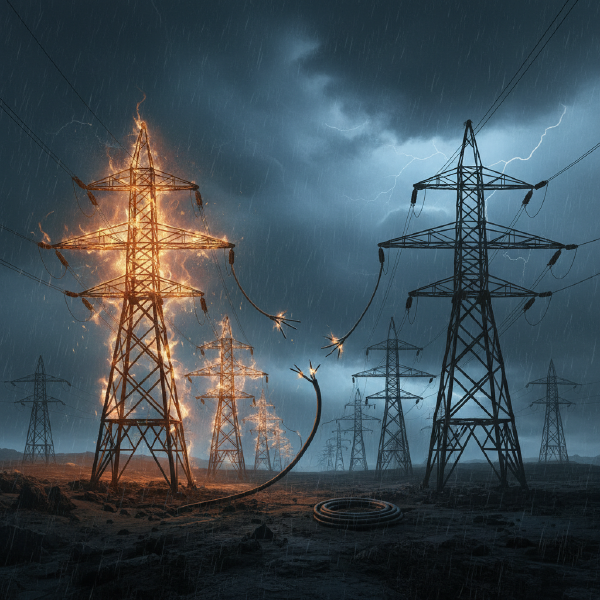
In 2023, Germany paid for 34 terawatt-hours of electricity that never flowed. Simultaneously, power plants elsewhere were ramped up that weren’t needed. This is called redispatch. It cost 3.1 billion euros. Who pays: the grid user, via network charges. When the lines come that would structurally solve the problem: 2028 — and even then only partially.
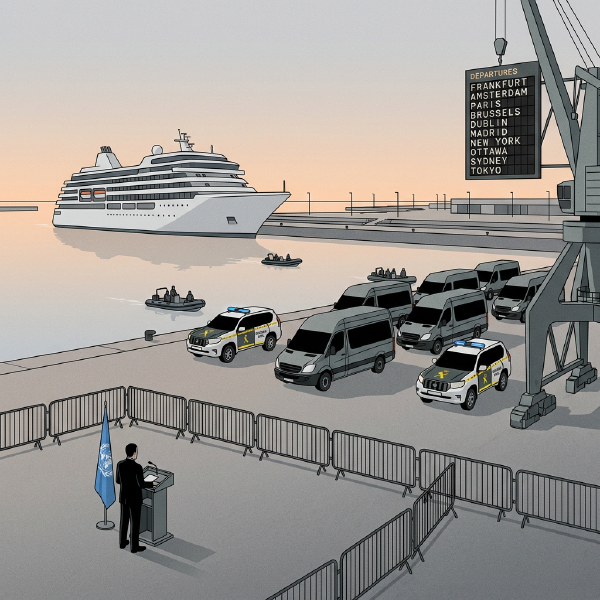
The evacuation of the MV Hondius activated the full institutional state-of-emergency apparatus — for an outbreak in which no one had symptoms on arrival. WHO risk rating: low. A lesson in institutional disproportionality.
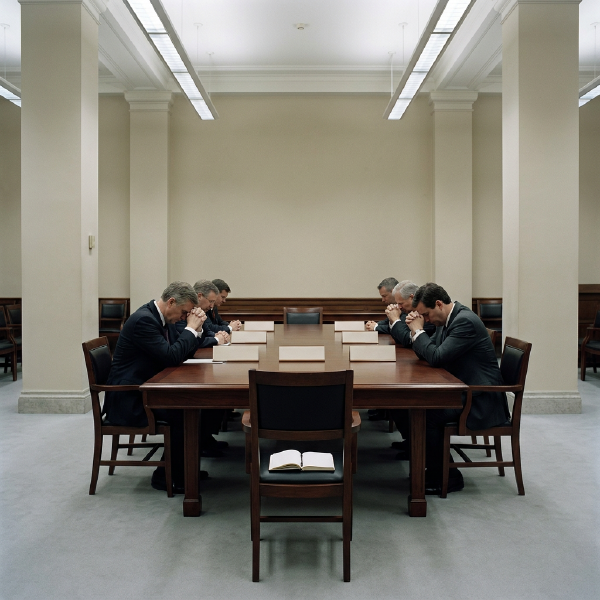
Germany’s parliamentary Enquete Commission held a hearing on NPI effectiveness on May 7, 2026. Three structural decisions ensured that no measure could emerge from it as demonstrably ineffective. This is not a failure of accountability. It is its design.
In a remark at the US Department of State, Donald Trump dismantled Germany’s sitting Federal Chancellor Friedrich Merz on four axes — immigration, energy, Ukraine, Iran. What is structurally interesting about this remark is not Trump. It is the asymmetry between what he is saying and what is being said about the same matters in the German public discourse.