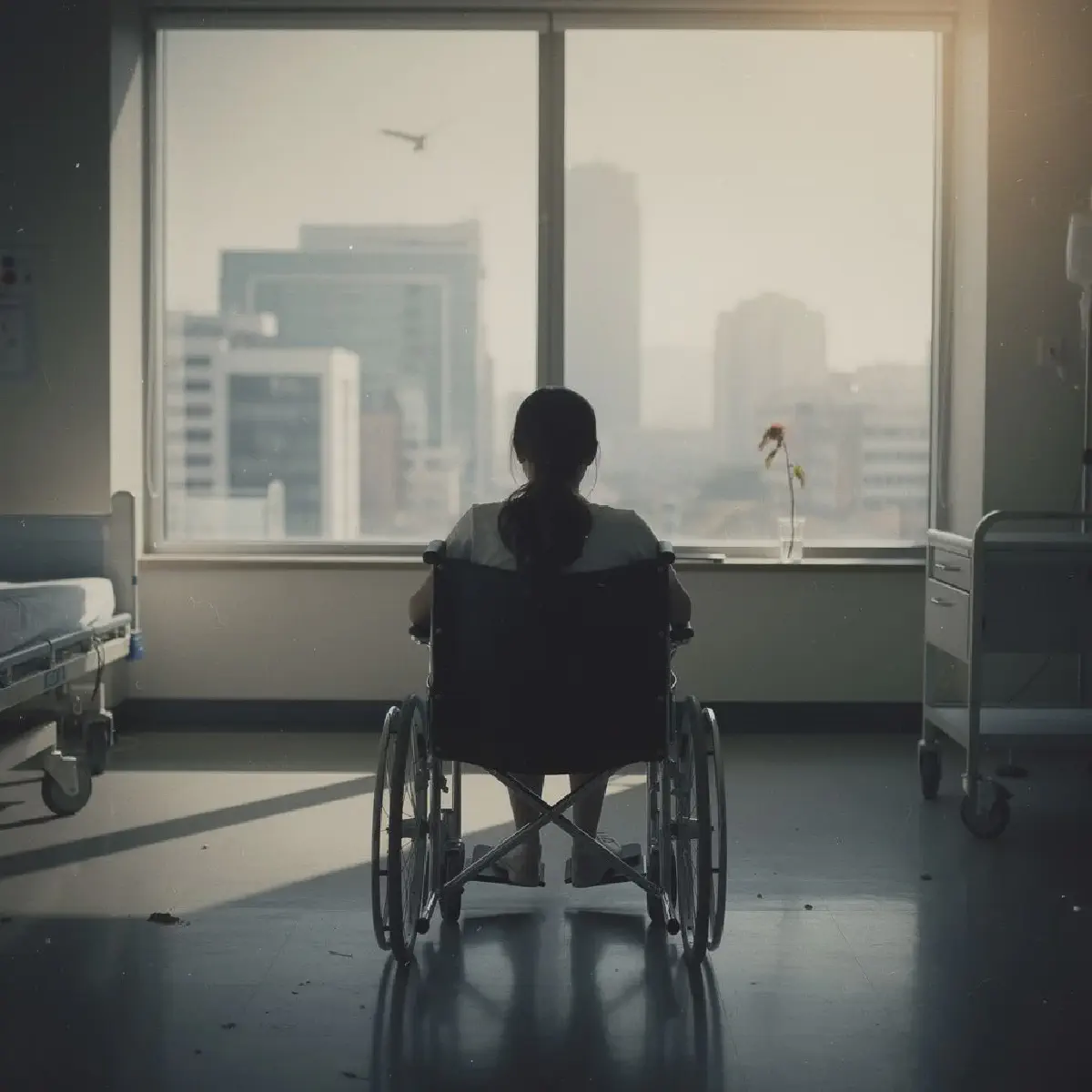
Noelia Castillo Ramos didn’t want to die because she was sick.
She wanted to die because no one was there.
At 13, after her parents separated, she was placed in state care. While in a foster family, she was raped in her sleep by her ex-boyfriend. In 2022, she was gang raped by three men. Later that year, she attempted suicide with medication. When that failed, she jumped from a fifth-floor window. The fall left her paraplegic, in permanent pain.
In 2024, Spanish authorities approved her request for euthanasia.
On 26 March 2026, she received a lethal injection in a hospital in Barcelona.
What the System Never Did #
It didn’t protect her. Not as a child. Not as a teenager in state care. Not after the first rape. Not after the second. Not after the suicide attempt.
What it did do: it approved her application after she said she no longer wanted to live.
Spiked put it plainly: “Noelia Castillo Ramos was failed throughout her short life. Those charged with her care failed to protect her from abuse. And then, when the consequences of that failure became too much for her to bear, they helped to end her life.”
The Father Who Fought — And Lost #
Her father Geronimo Castillo spent 18 months fighting the decision in court. He argued his daughter suffered from OCD and Borderline Personality Disorder — conditions that could affect her ability to make an informed decision.
Spain’s justice system grants mitigating circumstances to murderers who suffer from mental illness. For Noelia, that logic did not apply. The European Court of Human Rights gave the green light in March 2026.
Her mother accepted the decision. The farewell took longer than planned.
A video that has since emerged shows another side: her father cheering her on as she attempts to take a few steps with crutches, a brief smile crossing her face. He calls her a “machine”. The footage is undated — it captures moments from her rehabilitation, before the official 2024 diagnosis of complete paraplegia. It shows a woman who fought. And a father who was there — while the system was preparing her euthanasia.
“Her Organs Were Already Committed” #
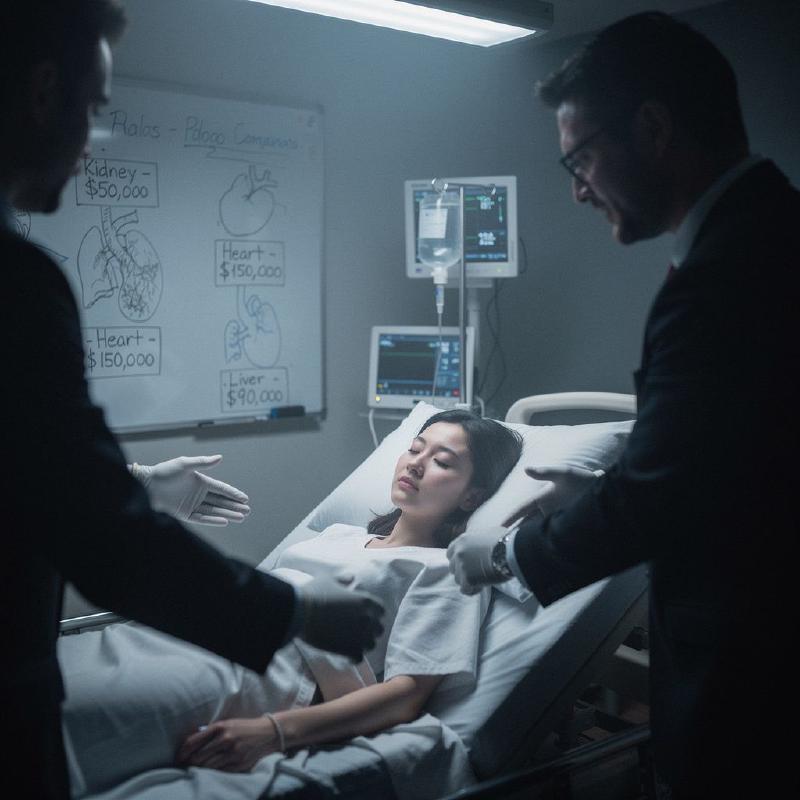
Now comes the darkest part.
When Noelia’s family obtained a temporary injunction in August 2024 to pause the euthanasia procedure, the hospital allegedly told her mother: “This cannot be postponed — her organs are already committed.”
These are the words of family lawyer Polonia Castellanos, documented on video.
The mother then asked Noelia to sign a document revoking her organ donation. Reports suggest Noelia had expressed doubts about her decision in the final days before her death. The hospital reportedly shielded her from outside help — including offers from prominent figures who had reached out.
In Spain, the opt-out system applies to organ donation: those who don’t explicitly object are automatically considered donors. The market value of organs from a single young person exceeds two million euros.
This is not a side detail. This is the core of the story.
A 25-year-old rape victim with a psychiatric condition — possibly having second thoughts — and a hospital that said: too late, the organs are already gone.
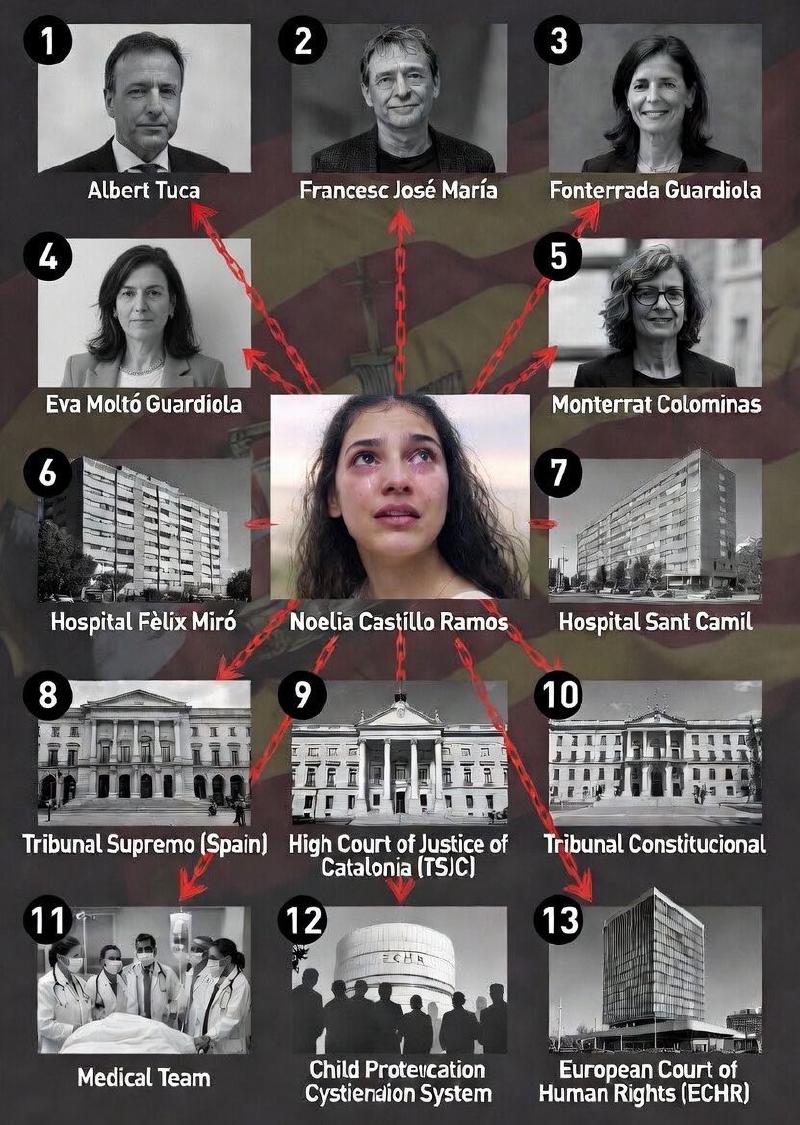
What Remains #
A double standard that should unsettle us: those who kill receive reduced sentences on grounds of mental illness. Those who want to die are deemed fully capable of informed consent.
A system that doesn’t protect rape victims — but will kill them on request.
And a question no one wants to ask out loud: when exactly were Noelia’s organs “committed”? And who made that decision?
Sources: Spiked, SRF, Washington Post, AP, CNN — 27/28 March 2026 | Lawyer Polonia Castellanos (video, March 2026) | Wikipedia: Noelia Castillo euthanasia case
Read more: