A journalist sues. A court decides. 2,500 pages confirm what three years of “conspiracy theory” suppressed: the RKI acted on political orders — not scientific evidence. #
The Man Who Didn’t Give Up #
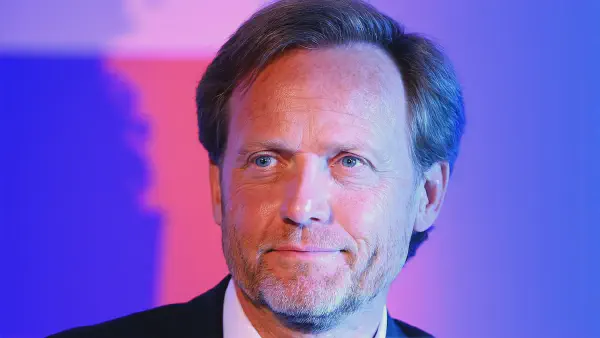
Paul Schreyer is a journalist and co-editor of Multipolar Magazine. Not an activist, not a Telegram influencer — a journalist who used Germany’s Freedom of Information Act (IFG) for its intended purpose: making state action transparent.
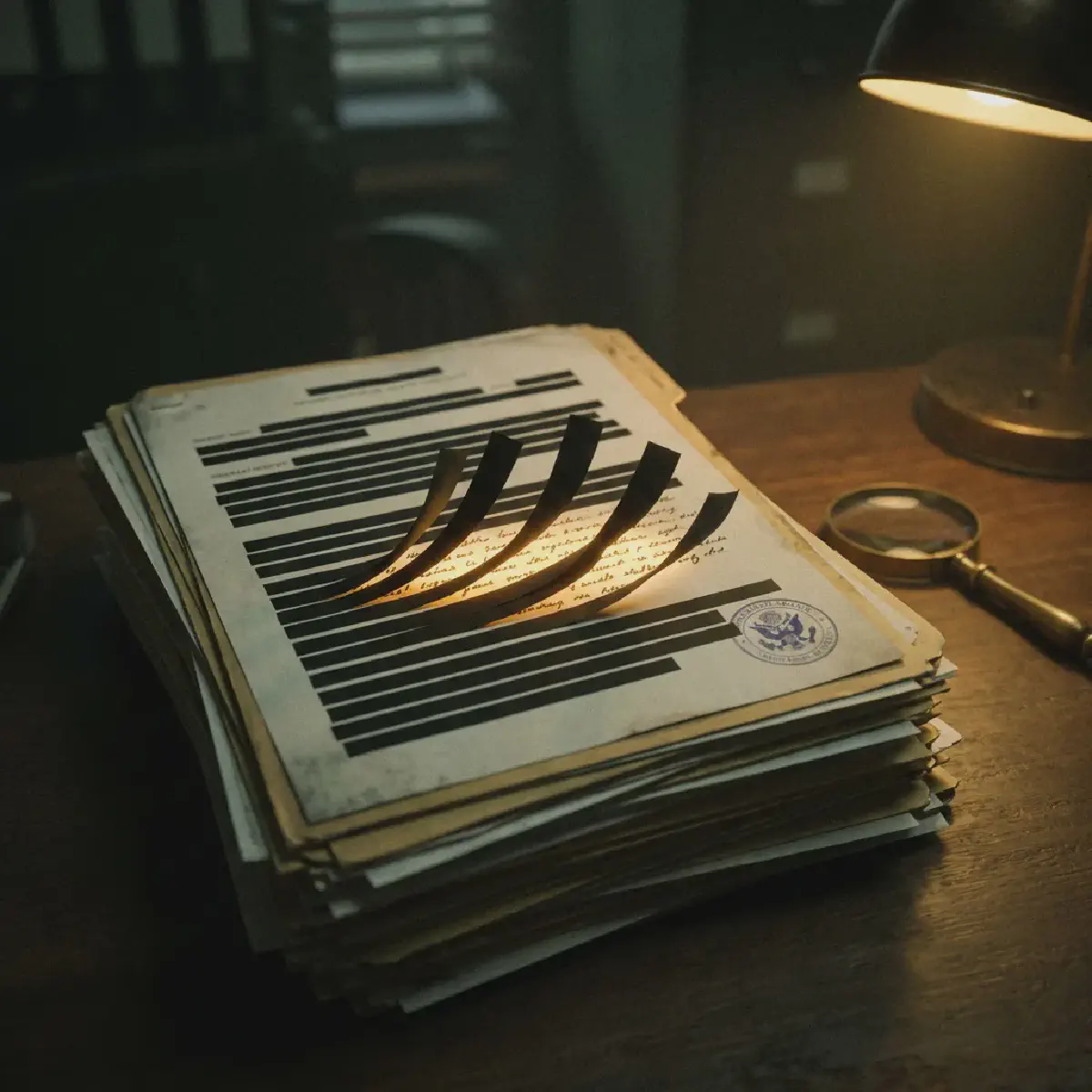
His IFG request to the Robert Koch Institute concerned the internal crisis committee protocols from the COVID-19 pandemic. The RKI delivered — redacted. Pages filled with black bars. Justification: personal rights, trade secrets, protecting ongoing decision-making processes.
Schreyer took it to the Berlin Administrative Court. And won.
The court largely rejected the RKI’s arguments. The redactions were excessive. The public interest outweighed them.
What the Protocols Show #
March 17, 2020: The Order #
On March 17, 2020, the RKI elevated its risk assessment from “moderate” to “high.” The protocols show: this decision was not made on scientific grounds — but on orders from the Federal Ministry of Health under Jens Spahn.
That is the central finding. Not a recommendation. Not a proposal. An order.
The elevation to “high” was the basis for everything that followed: lockdowns, school closures, contact bans, curfews. Without the elevation, there would have been no legal basis for the measures.
Internal Doubts — Never Communicated #
The protocols repeatedly document internal discussions and doubts that were withheld from the public:
- Effectiveness of lockdowns: Internally assessed as unclear — publicly presented as the only option
- Mask mandates for children: Evidence internally deemed thin — publicly made mandatory
- FFP2 masks in everyday life: Scientific basis internally assessed as inadequate — publicly mandated
- Vaccination and transmission: It was internally recognized early that vaccination did not reliably prevent transmission — publicly, “protection of others” was used as an argument for 2G rules well into 2022
November 5, 2021: “Factually Incorrect” #
A particularly explosive entry: on November 5, 2021, the RKI internally acknowledged that the phrase “pandemic of the unvaccinated” — being used at that time by the entire federal government and all major media — was “factually incorrect” because “the entire population contributes.”
Health Minister Spahn had coined the term publicly just days before. Chancellor Merkel repeated it. ARD and ZDF made it a headline. The RKI knew it was wrong — and stayed silent.
The Unredaction Timeline #
| Date | Event |
|---|---|
| 2022 | Schreyer files IFG request. RKI delivers heavily redacted protocols |
| 2023 | Lawsuit at Berlin Administrative Court. Court rules in favor of Multipolar |
| 19.03.2024 | Multipolar publishes first batch: approx. 2,500 pages partially unredacted |
| 23.05.2024 | RKI proactively publishes further unredacted version under public pressure |
| 23.07.2024 | Anonymous whistleblower passes completely unredacted version to journalist Aya Velázquez |
| Autumn 2024 | Parliamentary Enquete Commission “Lessons from the Corona Pandemic” begins work |
The Silence of Public Broadcasting #
On March 19, 2024, Multipolar published 2,500 pages demonstrating that Germany’s most important health authority acted on political orders.
ARD and ZDF’s response: relativization.
The protocols contained “nothing really new.” They were being “hyped up by conspiracy theorists.” These were “normal internal working discussions.”
This is remarkable. For three years, ARD and ZDF defended every federal government measure — citing “the science” and “the RKI.” Now the RKI’s own documents show that the science was politically overridden. And the broadcasters who should have exposed this are playing it down.
Why? Because critical examination of the RKI protocols would also call into question the public broadcasters’ own role. Whoever spent three years parroting “pandemic of the unvaccinated” without questioning it has no incentive to clarify that the RKI internally classified it as “factually incorrect.”
The Berliner Zeitung was one of the few larger outlets to give the topic space. An open letter from scientists, doctors, and academics demanded an independent investigation — the Berliner Zeitung published it and reported continuously. The NZZ analyzed from Switzerland what German media refused to analyze.
The Enquete Commission #
In autumn 2024, the parliamentary Enquete Commission “Lessons from the Corona Pandemic” began its work in the Bundestag. Experts including Prof. Dr. Stefan Homburg and Dr. Helmut Sterz (former Chief Toxicologist at Pfizer Germany) were heard.
Sterz’s testimony before the commission on March 19, 2026: the approval studies had been inadequate, safety was “fabricated,” and he called for an immediate ban on mRNA technology. Sterz described the vaccination campaign as a “prohibited human experiment.”
The RKI protocols provide the foundation for these statements. If the risk assessment was political, if doubts were suppressed, if the “pandemic of the unvaccinated” was internally recognized as false — then all the measures built upon it were built on sand.
Lauterbach’s Transparency Theater #
As public pressure grew, Health Minister Karl Lauterbach attempted to regain the narrative in May 2024. He announced the proactive release of further unredacted protocols — commenting that the documents proved the RKI had done “good work.”
This is remarkably cynical. The RKI was politically overridden — by a ministry that Lauterbach has headed since December 2021. And the minister who allowed the protocols to be redacted declares himself a transparency champion.
Jens Spahn, under whom the order to elevate the assessment was issued, commented cautiously: rapid decisions had been necessary in a crisis. That’s not a defense — it’s a confirmation. The decision was political, not scientific.
What Remains #
The RKI protocols are not a leak from shadowy channels. They are official documents from a federal agency, obtained through litigation by a journalist, confirmed by a court.
They show:
- The risk assessment was political. Not scientific. On orders.
- Internal doubts were suppressed. FFP2 masks, lockdowns, children’s masks — internally doubted, publicly enforced.
- “Pandemic of the unvaccinated” was a political formulation. The RKI knew it. The BMG knew it. No one corrected it.
- ARD and ZDF failed. Not from incompetence — from conflict of interest.
Paul Schreyer did what journalists should do: ask questions, sue, publish. That a small online magazine had to accomplish what ARD and ZDF could have accomplished with €8 billion in annual budgets is the real story.
Sources #
- Multipolar Magazine (19.03.2024): RKI Protocols: The Unredacted Documents
- Berlin Administrative Court (2023): Ruling on IFG lawsuit Schreyer vs. RKI
- Die Welt (March 2024): RKI protocols: risk assessment elevated on political orders
- Berliner Zeitung (March-April 2024): Open letter from scientists demands independent investigation of RKI protocols
- Aya Velázquez (23.07.2024): Completely unredacted RKI protocols. “Pandemic of the unvaccinated” internally recognized as “factually incorrect” (05.11.2021)
- BMG / Lauterbach (May 2024): Announcement of proactive unredaction
- Bundestag (Autumn 2024): Establishment of Enquete Commission “Lessons from the Corona Pandemic”
- Neue Zürcher Zeitung (March-April 2024): Analysis of RKI protocols and criticism of German media landscape
- Enquete Commission, Bundestag (19.03.2026): Hearing of Dr. Helmut Sterz and Prof. Stefan Homburg
A journalist sued, a court decided, 2,500 pages confirmed what millions suspected. And the media that should have exposed it declared it irrelevant.