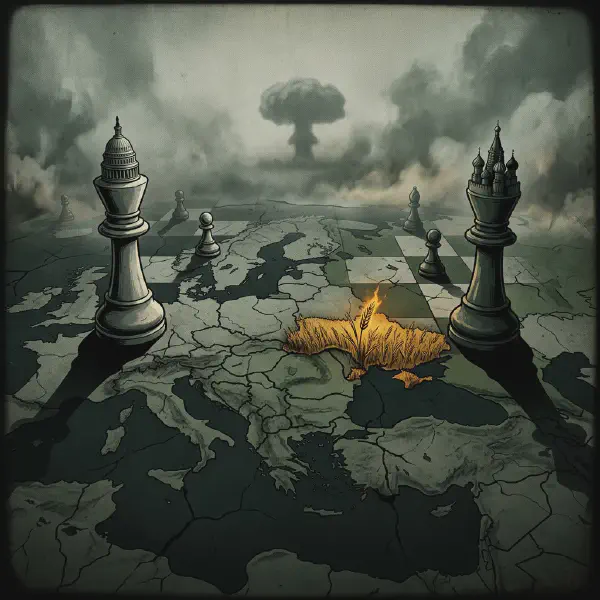
The hope was real: Donald Trump back in the White House, known for statements in favour of a negotiated solution in Ukraine, and Vladimir Putin, who has signalled for years that an agreement is possible — if Russia’s security interests are respected. But where does that stand now?
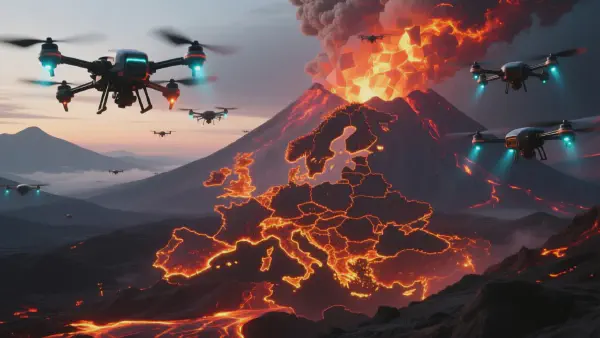
In the last months, sightings of alleged Russian drones over Denmark, Norway, Sweden, Romania, and Germany have increased. What do these sightings have in common? First, not a single one of these drones was intercepted, shot down, or forced to land through electronic interference. Second, no one knows where these drones came from and where they disappeared to. There are no radar plots, no verifiable flight paths, although in all cases it concerns critical civilian, military, or dual-use infrastructure, namely in one of the most densely guarded airspaces in the world. These drones simply disappeared, and I have no further comment on that.
Operation Lockstep: A Comprehensive Critical Analysis of Global Health and Security Initiatives
In a world constantly confronted with challenges, the concept of Operation Lockstep remains a central theme that significantly shapes how nations approach global health and security. Sketched by the Rockefeller Foundation, this concept envisions a future where heightened government control and surveillance follow global health crises. While official narratives emphasize the necessity of such measures to better prepare the world for future threats, there is growing skepticism about who truly holds the reins.