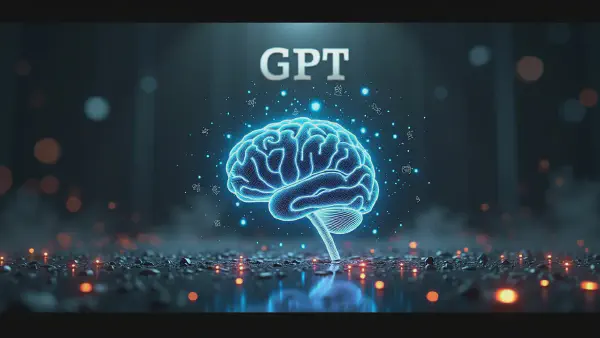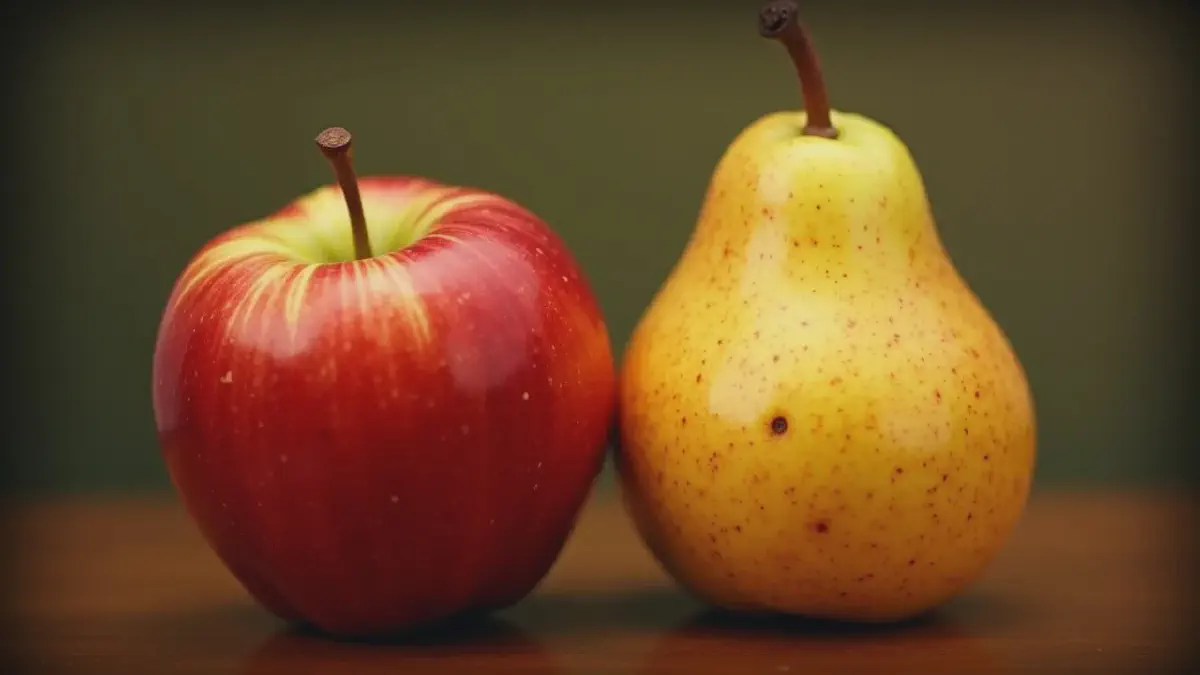
“It’s like comparing apples and pears — but what if you don’t know what either is? Welcome to GPT.”
The debate around artificial intelligence often ignores a critical fact: Large Language Models like GPT do not understand semantic concepts. They simulate understanding — but they don’t “know” what an apple or a pear is. This isn’t just academic; it has real-world implications, especially as we increasingly rely on such systems in decision-making.
To illustrate the absurdity, we’re embedding a short satirical scene from a 2008 German commercial that highlights exactly this point:
Context #
The clip comes from a 2008 commercial by Yello Strom, mocking clueless service staff offering meaningless advice — like mixing up apples and pears. Ironically, this scenario mirrors how GPT delivers fluent-sounding output without real comprehension.
This is a symbolic example of the core issue:
GPT imitates language. It does not understand meaning.
Legal Note #
The embedded video is a brief excerpt from a Yello Strom (2008) advertisement. It is used here under fair use / fair dealing for satirical commentary. If you are the copyright holder and object to its use, please contact us at renz@elizaonsteroids.org.
Back to overview: elizaonsteroids.org