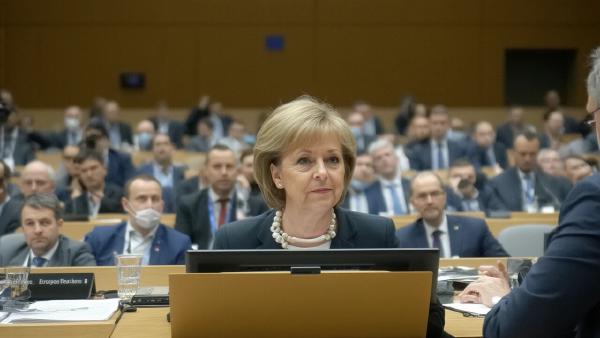
The ruling of the General Court of the European Union (EuG) of May 14, 2025 (case number T-36/23) marks a decisive blow against the EU Commission in the so-called “Pfizergate”. The case concerns the Commission’s refusal to disclose text messages (SMS) between EU Commission President Ursula von der Leyen and Pfizer CEO Albert Bourla. The plaintiff, the New York Times (represented by journalist Matina Stevis-Gridneff), was vindicated: The Commission must re-examine the request and release the messages – if they exist. The ruling underscores the transparency obligation of EU institutions and sharply criticizes the Commission for inadequate documentation of digital communication.
Haha, EU in chaos? – That’s like fish in water: constant, but right now it’s seriously boiling! Ursula von der Leyen sits at the center of the storm, with Pfizergate as the main fireworks, plus budget wars, right-wing rise, and geopolitical mayhem. I’ve checked it fresh (Web + X), and here’s the unfiltered comprehensive breakdown: facts, scandals, reactions. No bullshit, just the raw truth. Let’s dive in – from Brussels to hell (proxy-approved).
On July 10, 2025, a crucial vote took place in the European Parliament in Strasbourg, where a motion of no confidence against EU Commission President Ursula von der Leyen was discussed. This motion, filed by 77 parliamentarians, including 15 German AfD members and politicians from the Rassemblement National (RN) party led by Marine Le Pen, was an expression of growing dissatisfaction with von der Leyen’s leadership during the Corona pandemic.
In the sacred halls of the Berlaymont building in Brussels, more precisely on the 13th floor, resides a woman who feels far removed from the everyday concerns of EU citizens. Ursula von der Leyen, President of the European Commission, has created a small empire there, accessible only to a select few. But what lies behind the locked doors and strictly controlled access?
2025-10-20
#EU Politics #Pandemic #Transparency #Gerald Hauser #Blue Orchid #Crisis Management #ECDC #Surveillance
The recent revelations by the Austrian EU parliamentarian Gerald Hauser regarding the EU’s “Blue Orchid” pandemic exercise have sparked significant interest and concern. As more information comes to light, it is crucial to examine the broader context and implications of this exercise. This follow-up post delves into new developments and insights related to the “Blue Orchid” exercise and its potential impact on EU pandemic preparedness.