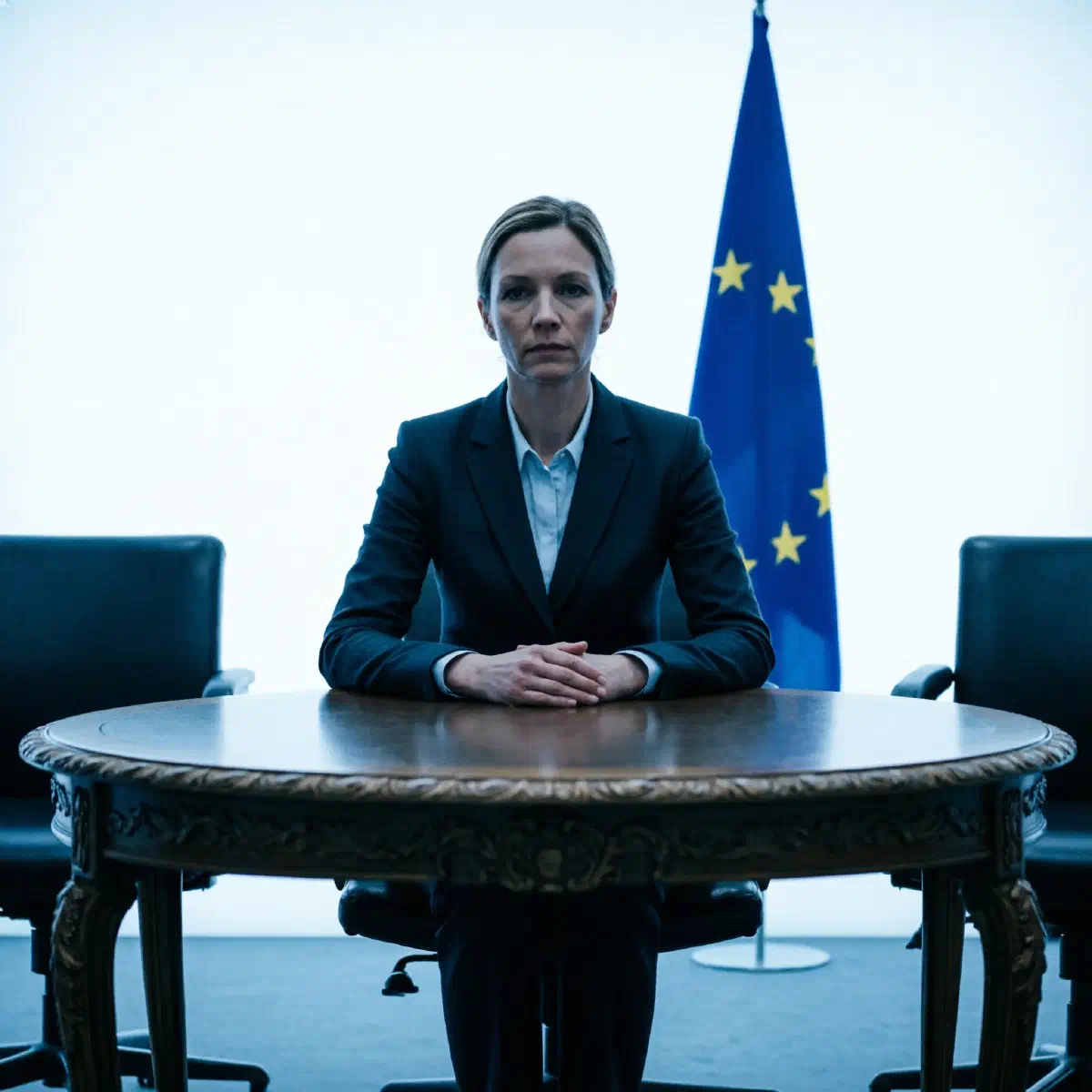
Since the beginning of her second term as President of the European Commission, public criticism and internal complaints about Ursula von der Leyen’s leadership style have been mounting. These accusations do not come from the margins — they come from former and current senior EU officials.
Charles Michel: “Super Authoritarian Leadership”#
In April 2024, former European Council President Charles Michel described von der Leyen’s governance style as “super authoritarian” in an interview with The Brussels Times. Michel, who worked alongside von der Leyen for five years from 2019 to 2024, stated: “The [European] Commissioners play absolutely no role anymore.”
Under EU treaties, the 27 commissioners collectively propose legislation, enforce treaties, and manage the EU budget — while the President sets political guidelines and distributes portfolios. Michel accused von der Leyen of effectively dismantling this collegial structure.
On Sofagate — the protocol incident in Ankara in April 2021, where Michel took the only available chair next to Turkish President Erdoğan while von der Leyen was directed to a sofa — Michel insisted: “The protocol was fully respected.” He accused the Commission of having “instrumentalised” the incident “to seize more power.”
Kallas, Borrell, Breton: Criticism from Within#
Several other senior EU officials voiced similar concerns:
- Kaja Kallas, EU High Representative for Foreign Affairs since December 2024, reportedly referred to von der Leyen internally as a “dictator” according to media reports — no direct quote has been confirmed.
- Josep Borrell, her predecessor as EU foreign policy chief, publicly stated that von der Leyen had “systematically exceeded” her authority in shaping foreign policy.
- Thierry Breton, former EU Commissioner for the Internal Market, accused von der Leyen of “questionable governance” and claimed she had acted behind his back to force his resignation. He resigned on 16 September 2024.
Pfizergate: Text Messages, Missing Transparency — and a Ruling#
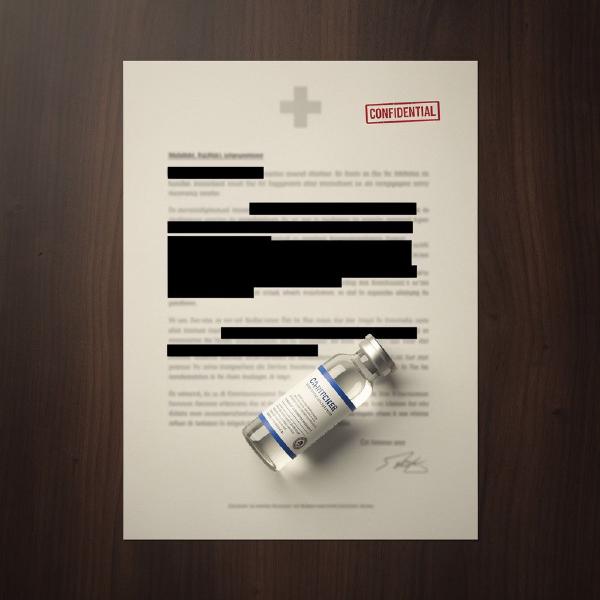
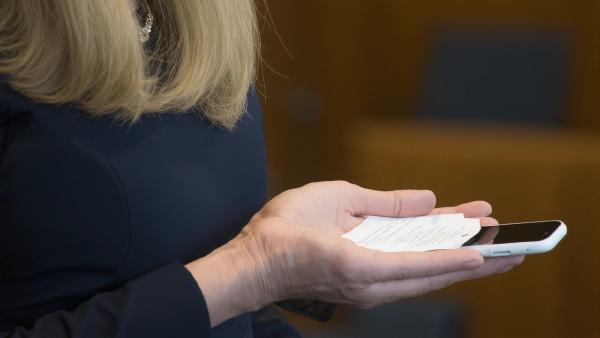
The so-called “Pfizergate” scandal is the most prominent transparency allegation against von der Leyen. In April 2021, The New York Times reported that she had personally negotiated the multi-billion-euro Pfizer vaccine deal (900 million doses, worth approximately €35 billion) via text messages and phone calls with Pfizer CEO Albert Bourla — bypassing standard procurement procedures.
The text messages were never disclosed. On 12 July 2022, European Ombudsman Emily O’Reilly officially found “maladministration” after the Commission refused to hand over the messages, claiming they could not be found. In October 2022, the European Public Prosecutor’s Office (EPPO) confirmed it had an ongoing investigation into the EU’s COVID-19 vaccine procurement.
In January 2023, The New York Times filed suit before the EU General Court demanding access to the messages. On 14 May 2025, the Grand Chamber of the General Court ruled in favour of the plaintiff in Stevis-Gridneff and New York Times v. Commission, annulling the Commission’s decision to withhold the texts.
Notably, von der Leyen had previously deleted her official phone as Germany’s Defence Minister after investigators requested access to messages related to consultancy contracts.
Assessment#
The accumulation of near-identical criticism from those closest to von der Leyen — former colleagues, serving officials, and commissioners — is unusual. That said, internal EU power struggles are not uncommon, and individual statements may be politically motivated. What remains are the documented facts of Pfizergate: the Ombudsman found maladministration, the EPPO investigated, and the EU’s own court ruled in 2025 that the Commission must hand over the messages.
Sources#
- brusselstimes.com — Interview with Charles Michel, April 2024
- nytimes.com — Pfizergate reporting from April 2021
- ombudsman.europa.eu — Pfizergate ruling, 12 July 2022
- eppo.europa.eu — Confirmation of ongoing investigation, October 2022
- curia.europa.eu — Judgment T‑36/23, Grand Chamber, 14 May 2025
- wikipedia.org — Pfizergate, Sofagate, Thierry Breton (background)